
One of the most frequent challenges in tennis development is determining how much training is appropriate at each age. The idea that more hours automatically lead to better performance is deeply rooted, yet often harmful when applied without consideration for physical and emotional maturity.
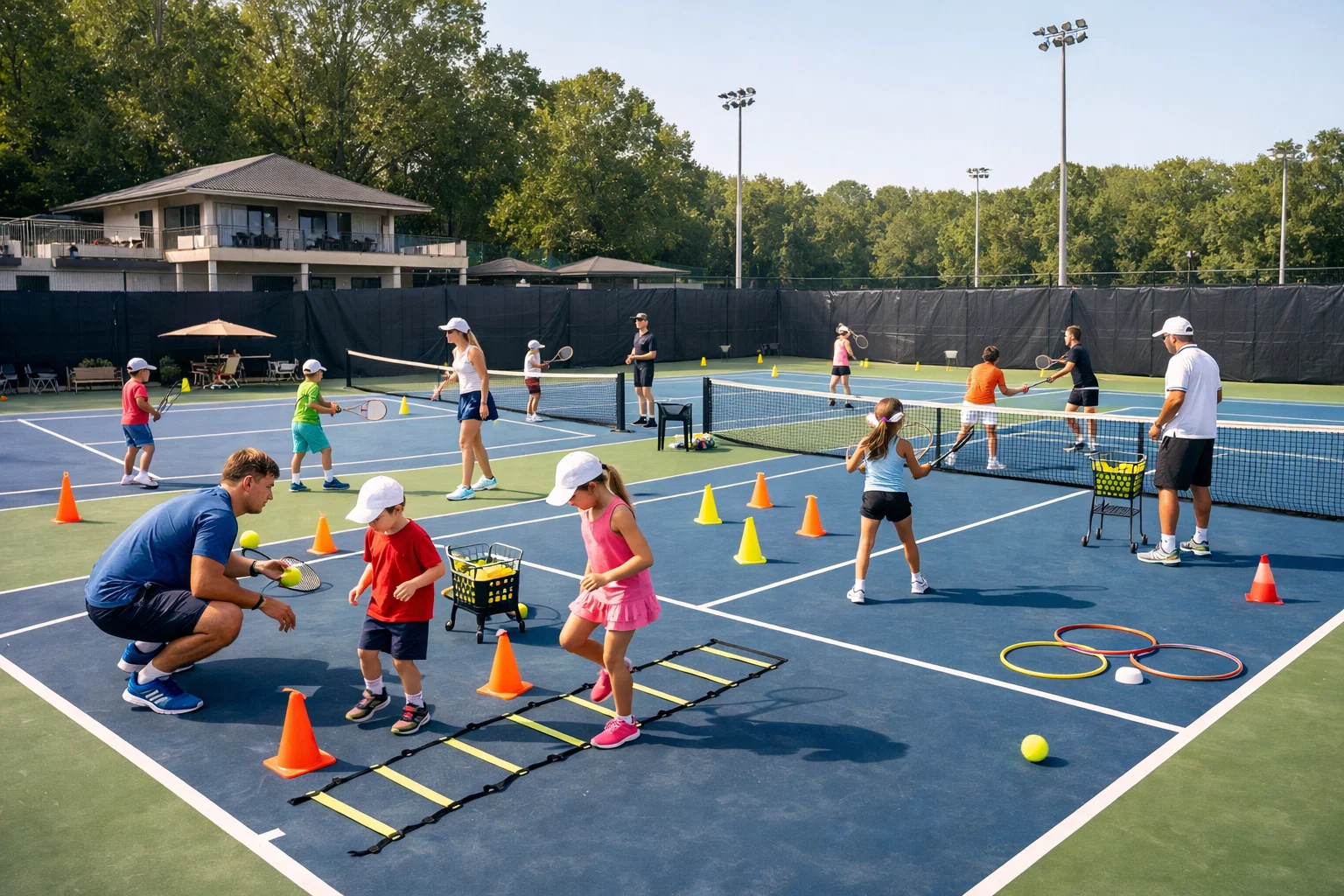
At younger ages, the primary objectives should be coordination, technical fundamentals, enjoyment and variety. Excessive training volume during these stages can limit motor development, reduce motivation and increase the risk of overuse injuries. Children need space to explore movement, develop creativity and associate tennis with positive experiences.
As players grow older, training volume can increase progressively — but only when supported by proper structure, recovery and purpose. At NMTA, training load is carefully planned according to developmental stages, not competitive pressure. Each increase in volume is justified by readiness, not ambition alone.
Respecting age-appropriate training volume ensures sustainable progression. Players remain healthier, more motivated and better prepared for long-term development. In the long run, consistency and balance outperform intensity without structure.